Over 500,000 albums get released every year, but a huge chunk of those artists never properly copyright their work. The U.S. Copyright Office saw music registrations jump 23% between 2021 and 2025, which sounds great until you think about all the albums that still aren't protected.
Learning how to copyright an album isn't the most exciting part of making music, but it matters more than most artists think. The good news is that the Copyright Office has actually made this process way easier than it used to be, and it won't drain your bank account.
There Are Two Different Copyrights for Your Album
This trips up almost everyone who's trying to figure out how to copyright an album. When you record music, you're not just protecting one thing – you're dealing with two completely separate copyrights.
First, there's the musical work(that's the song itself). The melody, the chords, the lyrics. If you wrote it, you own this copyright. Think of it as the blueprint. Even if a thousand different artists record their own versions, that original composition belongs to whoever wrote it.
Then there's the sound recording (this is your specific recorded version of that song). This belongs to whoever paid for the recording session (usually the artist or their label).
When you record your own original songs, you've got both copyrights. But if you're covering someone else's song, you only own the sound recording copyright – the person who wrote the song still owns the composition.
This matters more than you'd think. When people sample your music, use it in videos, or want to license it, they need to deal with both copyrights separately. Miss registering one, and you're leaving money on the table.
The Album Registration Option
The Copyright Office figured out that making musicians register every single track separately was ridiculous, so they created something called GRAM – Group Registration of Works on an Album of Music.
With GRAM, you can register up to 20 songs from the same album on one application. If you're registering sound recordings, you can throw in your album artwork, liner notes, and photos too. Compared to registering each track individually, this saves you serious money and time.
GRAM Rules
All the songs need to have at least one author in common, and the copyright owner has to be the same for everything you're registering. The tracks also need to have been released together as an album.
You Still Need Two Separate Applications Though
Even with GRAM, you can't register musical works and sound recordings together. The Copyright Office makes you file separate applications for each.
For your compositions (the songs you wrote), you use the "Musical Works from an Album" form. This only covers the songwriting – no recordings, no artwork, nothing else.
For your recordings, you use the "Sound Recordings from an Album" form. This one lets you include your album art and liner notes, but not the compositions themselves.
Most independent artists who write and record their own stuff end up filing both applications. Yes, it costs twice as much, but it's the only way to fully protect everything. If this sounds confusing, talking to a music copyright lawyer can clear things up fast.
Filing Your Album Copyright
Getting your album registered isn't complicated, but you need to pay attention to what you're doing. Miss something and you'll just slow down the whole process.
Setting Up Your Account
Head to the Copyright Office website and create an account in their eCO system. Once you're logged in, find the registration section and pick the right application – "Musical Works from an Album" for your songs or "Sound Recordings from an Album" for your recordings.
Don't mess this up. If you pick the wrong form, they'll reject your application and you'll have to start over.
Filling Out the Forms
The application wants to know everything about your album – the title, every track name, when it was released, who created it. If you worked with other people, you need to list everyone and explain what they contributed.
Pay extra attention to the authorship section. You need to be clear about whether you created everything yourself or if it was a group effort. If someone hired you to make the music (work for hire), that changes who owns it.
You also need to specify if your album has been released to the public yet. Most registrations are for published albums, but some artists register before release to get maximum protection upfront.
Uploading Your Files
Every registration needs you to submit actual copies of what you're registering. They call these "deposit materials." For albums, that means uploading your audio files.
They'll take MP3s, WAVs, FLAC – pretty much any standard format. Each track should be its own file, and the filename should match exactly what you put in the application. If you're including artwork or liner notes with a sound recording registration, upload clear images of those too.
Sometimes they want physical copies, especially for albums released on vinyl or CD. The Copyright Office will tell you if that's necessary. Generally though, digital uploads work fine.
Paying the Fee
Copyright registration costs $65 per application through their online system. There's a cheaper $45 option, but that only works if you're registering a single work where you're the only author and owner.
With GRAM, you pay one fee to cover up to 20 songs – way better value than filing each track separately. Before you start, you might want to check out the full breakdown on how much does it cost to copyright an album.
They take credit or debit cards online. Once your payment goes through, they'll send you a confirmation and start reviewing your application.
How Long Does This Whole Thing Take?
After you submit everything, you're looking at about three to six months for them to process it. The Copyright Office is backed up pretty much all the time, so don't expect it overnight.
They've got a tracking system so you can check your application status online. When they approve it, you'll get an official registration certificate with your registration number, the effective date, and all the authorship details.
Keep that certificate somewhere safe. If someone ever steals your music, that piece of paper becomes really important evidence.
What About Singles You Already Released?
Lots of albums include songs that came out as singles first. GRAM handles this, but there are specific rules. You can include a previously released single in your album registration, but only if it came out in the same country as the album and only if the single version is identical to the album version.
When you're including old singles, you need to mention it in the application. Put the details in the "Note to Copyright Office" section – tell them when the single came out originally and confirm that both versions are the same recording.
If you released a single in a different country than where your album came out, you can't include it in the group registration. You'd need to register that track separately. This is one of those technical things where a music intellectual property lawyer can save you headaches.

Why Bother Registering at All?
Your music is technically copyrighted the moment you record it, so why jump through all these hoops? Because automatic copyright and registered copyright give you very different levels of protection.
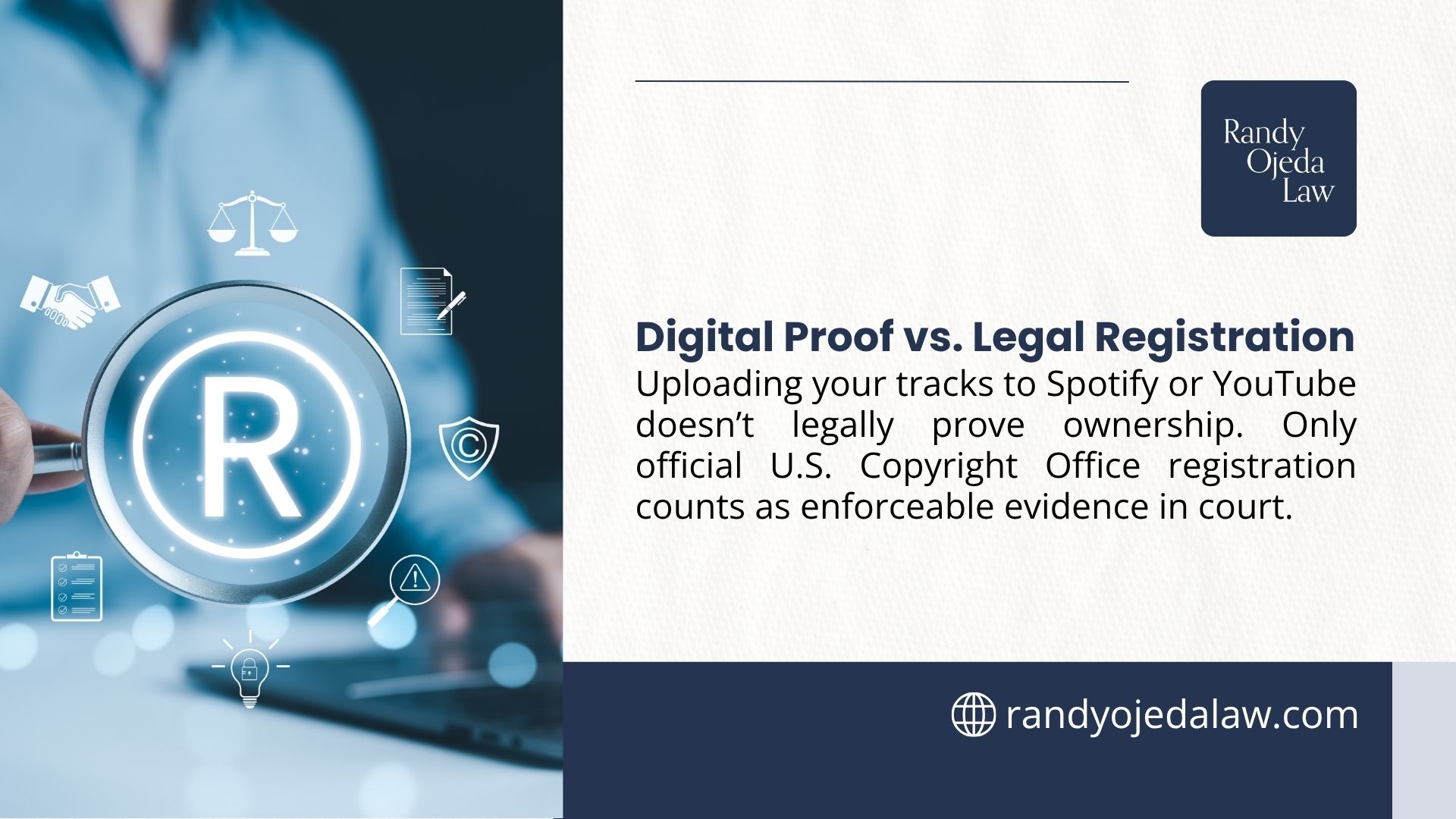
You can't sue anyone without registration.In the U.S., you literally cannot file a copyright lawsuit in federal court unless you've registered first. So if someone steals your music and you didn't register it, you're stuck.
Registered copyrights unlock serious money in lawsuits. Register within three months of releasing your album, and you can go after "statutory damages" – that's $750 to $30,000 per song that got stolen. If they did it on purpose, it can go up to $150,000 per song. You can also make them pay your lawyer fees if you win.
It creates an official record.Your registration gets filed with the government as proof you own this music. That matters when you're negotiating licenses, dealing with disputes, or planning your estate. The certificate counts as evidence in court.
Beyond the legal stuff, registration opens up business opportunities. Lots of licensing agencies and music supervisors won't even talk to you without registered copyrights. It shows you're serious and professional about your music career.
Understanding What Rights You Own
Copyright gives you a bunch of exclusive rights, and each one can make you money if you know how to use it.
Mechanical royalties come in whenever someone manufactures your album, downloads it, or streams it. These payments go to whoever owns the composition. Registration makes sure you actually get these payments instead of losing track of them.
Performance royalties happen when your music gets played publicly – on the radio, in a venue, on streaming services. Organizations like ASCAP, BMI, and SESAC collect these payments and distribute them to registered copyright owners.
Sync licenses are where real money can come in. This is when someone wants to use your music in a TV show, movie, commercial, or video game. These deals can be huge, but you need clear copyright documentation to negotiate them properly. Working with a music licensing lawyer helps you maximize these opportunities.
Master recording rights control how your actual recordings get used commercially. Unlike composition rights that go through collecting agencies, master rights usually get licensed directly.
When You're Making Music with Other People
Most albums involve collaboration – other songwriters, producers, session musicians. Copyright gets complicated when multiple people contribute.
When people create something together, they're automatically co-authors with equal ownership unless you have a written agreement saying otherwise. That means each co-author can license the work independently, though they have to share any money they make from it.
Get everything in writing before you start recording. Seriously. Spell out who owns what, how credit gets divided, and who makes decisions. This prevents ugly fights later and makes registration straightforward.
Works made for hireare different. If you hire someone as an employee and they create music on the job, you own the copyright. Same thing happens with certain commissioned works if you have a written agreement signed before the work gets created that specifies it's work for hire.
Producers, engineers, and session players might claim copyright interests depending on what they contributed. Technical work like mixing usually doesn't create co-authorship, but significant creative input might. A music contract lawyer can help sort this out before problems start.
Does This Work Outside the United States?
This guide focuses on U.S. registration, but most musicians distribute music internationally these days. The good news is that international copyright treaties give you automatic protection in most countries.
The Berne Conventionmeans your U.S. registration provides basic copyright protection in over 180 countries. That's pretty solid coverage from one registration.
Some countries offer extra benefits if you register directly with their copyright offices. If you've got a big international audience, you might want to do additional registrations in key markets. But U.S. registration gives you baseline protection worldwide.
Streaming platforms and distributors that operate internationally generally recognize U.S. copyrights. Actually collecting international royalties is trickier though. You usually need to register with collection societies in different territories or work with someone who specializes in global rights management.
Your Album Artwork and Liner Notes
The visual stuff that comes with your album gets its own copyright protection, separate from the music. Album covers, photos, and graphic design are protected as visual artworks.
When you're registering sound recordings through GRAM, you can include artwork and liner notes that were published with the album. This bundles everything together in one registration.
But if someone else created your artwork, they usually own the copyright to it unless you have a written agreement transferring ownership to you. Commission agreements need to clearly specify who owns the copyright to avoid problems later.
For albums with elaborate packaging, limited edition artwork, or significant photography, you might want separate copyright registration for the visual elements beyond just including them in GRAM.
Copyright in the Streaming Era
Most albums come out digitally now through Spotify, Apple Music, Bandcamp, and similar platforms. Digital distribution doesn't make copyright registration less important. If anything, it's more critical.
Streaming platforms want proof you own the music before they'll distribute it. They don't necessarily require formal registration, but having registered copyrights makes the process smoother and helps with accurate royalty tracking.
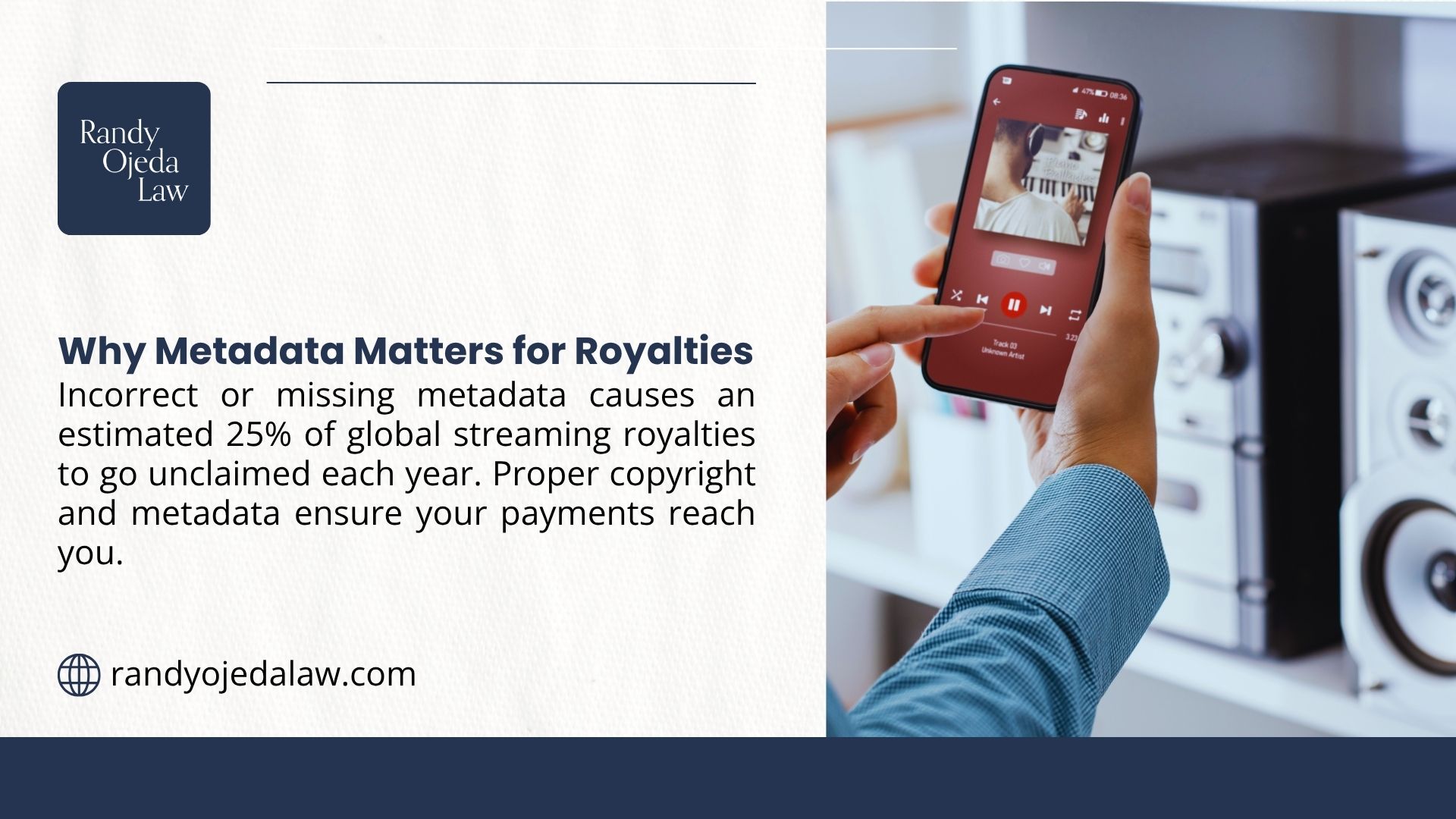
The metadata embedded in your audio files identifies copyright ownership. Proper metadata includes copyright notices, authorship info, and registration numbers. This helps with royalty collection and makes it easier to catch infringement across digital platforms.
Content ID on YouTube and similar systems scan uploaded content against registered copyrights. Registration helps these automated systems identify unauthorized uses so you can either take them down or monetize them.
How Long Does Copyright Protection Last?
Copyright doesn't expire quickly. It lasts a really long time. For music created after January 1, 1978, how long depends on who created it.
Music created by individual artists is protected for their entire life plus 70 years after they die. For collaborations with multiple authors, protection runs for 70 years after the last surviving author dies.
Works made for hire and anonymous or pseudonymous works get protection for 95 years from publication or 120 years from creation, whichever comes first.
You don't need to renew copyright for anything created after 1978. Once it's registered, the protection continues for the full term automatically. Just keep your contact information current with the Copyright Office so they can reach you if needed.
What to Do When Someone Steals Your Music
Even with registration, infringement happens. The good news is registered copyrights give you real options for dealing with it.
When you find someone using your music without permission, document everything. Save copies of the infringing material, note when and where you found it, and gather any evidence showing they had access to your work.
Send a cease and desist letter first.This is a formal demand that they stop using your music. A lot of infringement gets resolved right here when people realize you're serious and have legitimate copyright ownership.
If that doesn't work, registered copyright owners can file lawsuits in federal court. Your registration certificate is strong evidence supporting your case.
The Copyright Claims Board offers a cheaper alternative to federal court for smaller disputes. This voluntary tribunal handles copyright issues involving damages under $30,000, which makes it way more accessible than traditional litigation.
Having experienced legal help increases your chances of success significantly. A music royalty lawyer can evaluate your case and figure out the best strategy for enforcement.
Is Registration Worth the Cost?
Some artists wonder if the time and money for registration is really necessary. For serious releases, the answer is almost always yes.
Registration costs are minimal. Spending $65-$130 to protect an entire album (one application for compositions, one for recordings) is pocket change compared to what you probably spent on recording and distributing it.
Compare that tiny investment to what you'd lose from infringement. One unauthorized commercial use could cost thousands in damages, but unregistered copyrights limit what you can recover and make litigation way more expensive.
Registration also provides credibility and peace of mind. Licensing opportunities often require registered copyrights, and professional industry people expect proper documentation.
For any album that represents serious creative and financial investment, registration is basically mandatory. The small upfront cost is insurance against potentially huge losses from infringement or missed licensing deals.
Keeping Your Copyright Paperwork Organized
As your catalog grows, staying organized with copyright documentation becomes increasingly important.
Build a copyright portfolio containing registration certificates, correspondence with the Copyright Office, collaboration agreements, work-for-hire contracts, and licensing deals. Keep both digital and physical copies.
Track registration dates and numbers for everything you release. These details matter for infringement claims, licensing negotiations, and estate planning. A simple spreadsheet tracking registration info for each release keeps everything manageable.
Save copies of your deposit materials that match what you submitted. The Copyright Office keeps deposits, but having your own copies ensures you can access them later if needed.
Update your contact info with the Copyright Office whenever you move or change representatives. Keeping current contact information ensures important correspondence actually reaches you.
Registration Types and Costs
| What You're Registering | How Many Works | Cost | Timeline |
|---|---|---|---|
| Musical Works from Album | Up to 20 songs | $65 | 3-6 months |
| Sound Recordings from Album | Up to 20 recordings + artwork | $65 | 3-6 months |
| Single Work | 1 song or 1 recording | $45-$65 | 3-6 months |
| Individual Tracks | 1 track at a time | $65 each | 3-6 months |
Who Owns What
| Situation | Who Owns the Song | Who Owns the Recording | What to Register |
|---|---|---|---|
| You write and record your own music | You | You | Both types |
| You record songs other people wrote | Original songwriter | You | Just the recording |
| Band writes and records together | Everyone equally | Everyone equally | Both types |
| You're signed to a label | You (or your publisher) | The label | Both types separately |
| Producer adds creative input | You plus the producer | Depends on your contract | Both types |
Get Professional Help Protecting Your Album
Understanding how to copyright an album puts you in control of your creative work and opens up real commercial opportunities. The registration process takes some attention to detail, but the legal protections and professional credibility it provides are invaluable.
From understanding the difference between musical works and sound recordings to navigating GRAM applications and knowing your licensing rights, comprehensive copyright knowledge is foundational to a sustainable music career. The modest investment in proper registration pays off through stronger legal protection, smoother licensing deals, and better industry relationships.
You shouldn't leave protecting your music to chance or try to figure everything out alone. At Randy Ojeda Law, we work specifically with musicians dealing with copyright registration, licensing agreements, and intellectual property protection.
We provide legal services tailored to what you need, making sure your music gets the protection it deserves. Don't risk losing control of your work or missing licensing opportunities because of incomplete copyright protection. Whether you need help with album registration, contract review, contract negotiation, or ongoing legal counsel, we can help.