How to get out of a bad record deal? Signing a record deal is often treated like a finish line. For many artists in the United States, it turns out to be the starting point of years of frustration. A record deal contract can limit creative freedom, delay payments, and quietly shift ownership of music that took a lifetime to create.
This article explains how record deals work, why so many recording contracts turn sour, and what realistic legal and strategic options exist for artists in the USA who want to exit or renegotiate a bad record deal.
Why So Many Record Deals Go Bad
Most bad record deals are not illegal. They are simply lopsided. Record labels have experience, leverage, and teams of lawyers. New artists often have momentum, excitement, and little understanding of what happens when you sign a record deal.
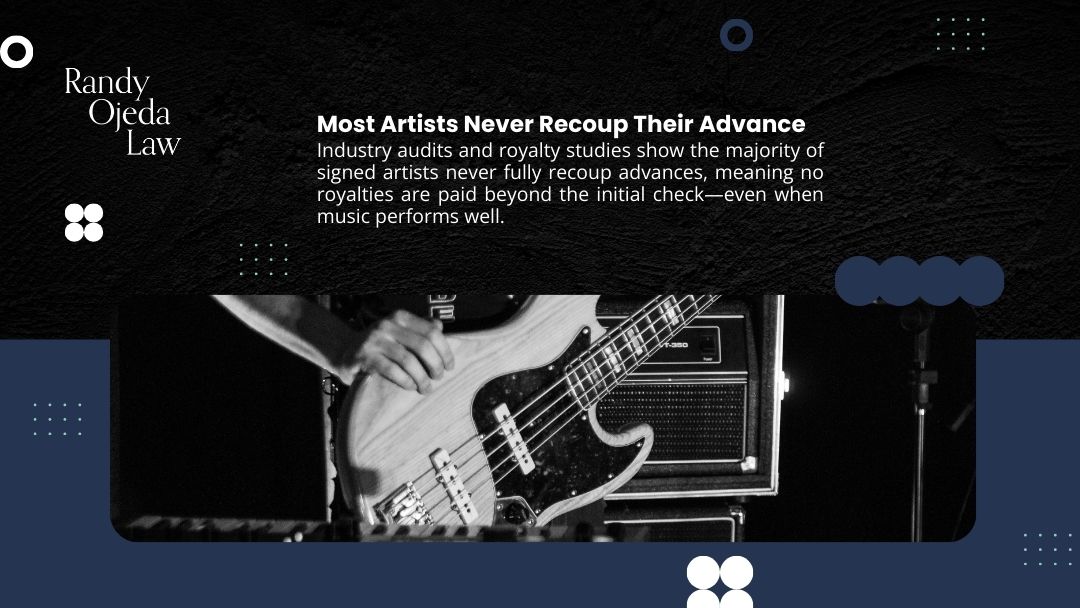
Research and reporting on recording contracts show that advances are generally fully recoupable from an artist's future royalties. Because the label recoups recording and other costs before paying royalties, many artists never earn past their advance, meaning they receive no additional royalty income even after releasing commercially successful work.
This structure shifts most financial risk to the artist while the label retains ownership of the masters and long-term control of the recordings.
A typical recording artist contract grants the label exclusive rights to recordings, options for future albums, and broad authority over marketing and release schedules. Once signed, the artist cannot simply walk away because the deal “feels unfair.” Contract law in the USA does not work that way.
How Record Deals Work in Practice
Understanding how record deals work is essential before trying to exit one. Most record label contracts include an advance that functions as a loan, not income. That money must be recouped from royalties before the artist earns anything further.
| Revenue Source | Who Gets Paid First | Artist Outcome |
|---|---|---|
| Streaming & sales | Record label | Artist earns only after recoupment |
| Touring | Artist | Often untouched, but sometimes partially claimed |
| Merchandise | Shared or label-controlled | Depends on contract language |
| Sync licensing | Often split | Label may control approvals |
This structure explains why many artists feel trapped. Even when music performs well, the accounting may show the artist still “owes” the label.
What Makes a Record Deal Legally “Bad”
A bad record deal is not defined by disappointment. It is defined by specific contractual features that limit exit options. These include excessively long terms, unilateral options favoring the label, vague release obligations, and broad ownership clauses covering future works.
In the United States, recording contracts are enforceable as long as they meet basic contract standards. That means an artist usually needs more than regret to get out of a deal. An entertainment attorney looks for leverage points inside the contract rather than emotional arguments.
Legal Paths to Get Out of a Bad Record Deal
There are limited but real legal theories that can support an exit from a record deal contract. Each depends heavily on the exact language used.
| Legal Theory | Description | Practical Reality |
|---|---|---|
| Material breach | Label fails to meet key obligations | Often used when music is not released |
| Fraud or misrepresentation | Artist was misled before signing | Difficult to prove without evidence |
| Statutory limits | State laws restricting contract length | Applies only in specific jurisdictions |
| Negotiated release | Mutual termination | Most common and realistic outcome |
Courts rarely favor artists who simply want better terms. Most exits happen through negotiation, not lawsuits.
Why Contract Review Is the First Step
Artists searching for how to get out of a bad record deal often skip the most important step: professional contract review. A detailed analysis can reveal whether the label violated release timelines, accounting duties, or marketing obligations.
A lawyer who focuses on music contracts understands industry norms and how labels actually operate. This is very different from general business law. Reviewing the agreement with a professional who handles record label contracts daily can reveal exit leverage that artists miss.
Renegotiation Is Often Better Than Termination
Leaving a deal entirely is not always the best move. Many artists successfully renegotiate recording contracts once leverage shifts. That leverage may come from audience growth, viral success, or label inactivity.
Renegotiation can lead to ownership reversions, reduced album commitments, or improved royalty terms. This approach avoids litigation and preserves relationships that may still have value.
Leverage, timing, and proper documentation matter far more than confrontation when negotiating music contracts.
Ownership, Copyright, and Control After Exit
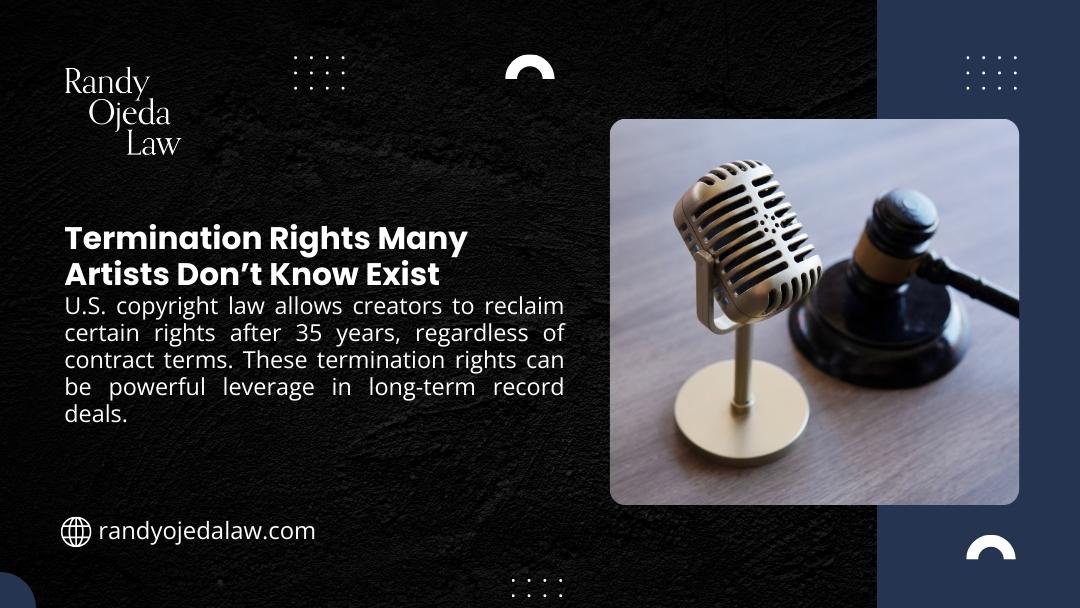
Getting out of a record deal does not automatically mean regaining ownership. Copyright law separates composition rights from sound recording rights. Even after a release, labels often retain master ownership unless the contract says otherwise.
The U.S. Copyright Office confirms that sound recordings are protected works, and ownership depends on contract terms, not authorship alone. Artists exploring exit strategies should understand how copyright and intellectual property protection work before taking action.
Why Artists Sign Bad Deals in the First Place
Many artists sign bad deals because they believe it is the only path forward. The reality is that signing without counsel remains one of the most common mistakes in the music industry.
According to data from the Berklee Institute for Creative Entrepreneurship, independent artists increasingly outperform traditional deals when they retain ownership and control of distribution. The myth that any deal is better than no deal has eroded, but contracts signed years ago still bind many artists today.
Taking Back Control Without Burning Everything Down

Getting out of a bad record deal is not about revenge or public battles. It is about restoring balance. Whether through renegotiation, partial release, or carefully structured termination, artists who approach the problem strategically protect both their music and their future.
If you are locked into a record deal that no longer serves you, the next move should not be impulsive. A focused review by a music contract lawyer and a clear understanding of your rights can shift the entire outcome.
Ownership, control, and sustainability matter more than headlines. The artists who last are the ones who treat contracts with the same seriousness as their music. One conversation with an experienced music attorney can be the difference between staying trapped in a bad deal and reclaiming control of your career.